Emergency ID for runners and cyclists
Whenever you go for a run or a ride, carry emergency ID with your name, an emergency contact, severe allergies and key medications. The Road Runners Club of America (RRCA) and British Cycling both recommend it, because people out training carry little: with no ID, nobody knows who to call. The most practical options are a running or cycling ID bracelet, your phone’s medical ID and an emergency QR code on your bike helmet.
Updated on · By Pablo Porras (ChamoenMoto)
Why should runners and cyclists carry ID?
Because almost nobody trains with a wallet. If you are hit by a car or collapse 20 kilometers from home, paramedics do not know who you are, what you are allergic to or who to call. An Ontario Provincial Police officer put it bluntly to local press about long-distance cyclists: if they get hit far from home, how do we know who they are? We don’t.
The risk is real. According to NHTSA, 1,103 cyclists and 7,080 pedestrians were killed in US traffic crashes in 2024; 76% of those pedestrians died in the dark, when many runners head out.
What should your ID include?
- Full name.
- An emergency contact with a phone number, someone who always answers.
- Severe allergies (medications, insect stings).
- Key medications, such as blood thinners or insulin.
- Relevant conditions: asthma, diabetes, epilepsy, heart disease.
Short on space? Follow the priority order in our guide to what to put on a medical ID.
What are your options?
| Option | Best for | Keep in mind |
|---|---|---|
| ID bracelet or tag | Runners and cyclists | Always on you; few characters |
| Phone medical ID | Everyone | Free; turn on show when locked |
| Emergency QR code on the helmet | Cyclists | Holds your full profile and alerts your family with one tap |
| Back of the race bib | Races | Only works on race day |
| Card in a pocket or pack | Everyone | Cheap; rarely the first thing anyone checks |
The RRCA recommends carrying ID and your phone; British Cycling, ID and a phone with an ICE contact saved. The safest setup combines two options.
How does an emergency QR code work on a bike helmet?
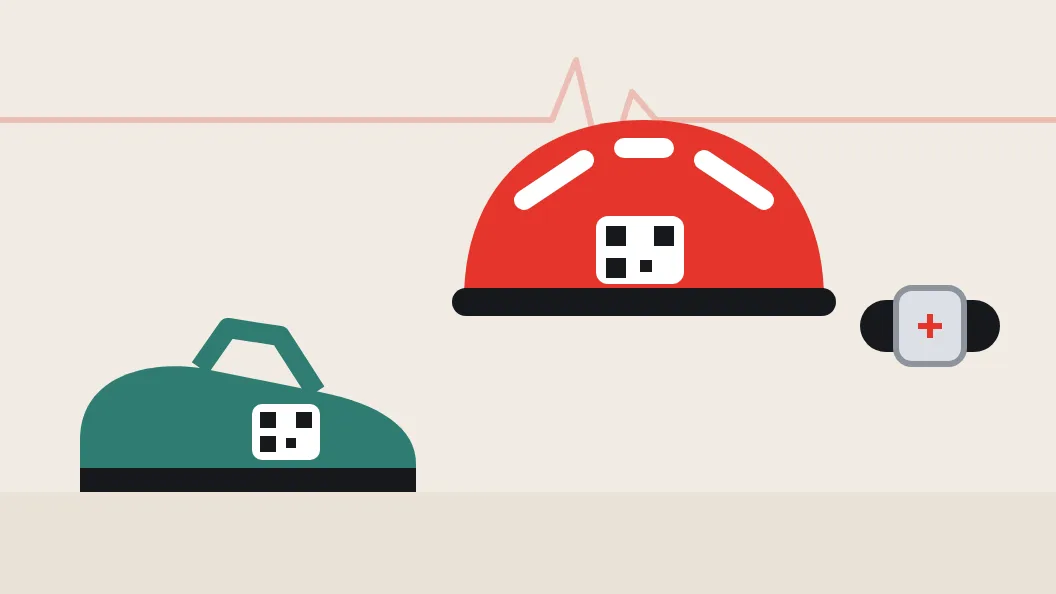
The MásVidas sticker goes on the back or side of your bike helmet, on a smooth surface (check your helmet’s manual first; we explain why in motorcycle helmet stickers). If someone finds you hurt, they scan it with their phone camera, see the details you marked as public and alert your family with your location. See what is an emergency QR code.
What should you write on the back of your race bib?
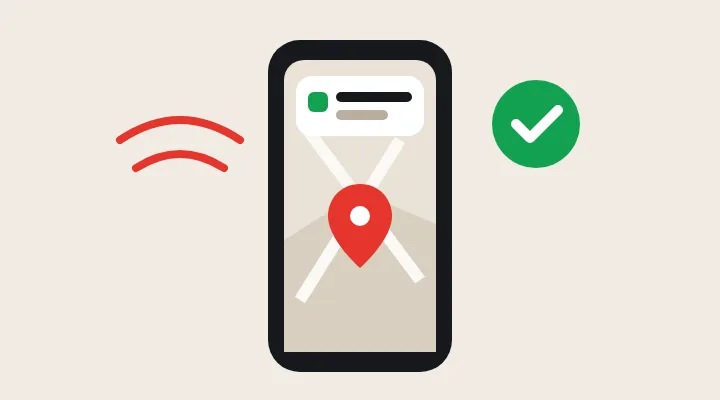
Many races ask you to fill in the back of your bib with an emergency contact’s name and number, and sometimes medical information. Always do it: if you collapse on the course, it is the first thing the medical team sees. Use a permanent marker, since sweat and rain smear ballpoint ink.
Frequently asked questions
What is the best running ID bracelet?
One that does not bother you while running and survives sweat and rain: silicone, fabric or a band with an engraved metal plate. What matters is not the brand but what it says: your name, an emergency contact and your critical allergies or medications. If you wear a sports watch, there are tags that slide onto the strap. Pair it with your phone’s medical ID.
Is carrying my phone enough when I ride?
It helps, but it is not enough. In a crash your phone can break, die or stay locked, and whoever helps has to know how to find the medical ID from the emergency screen. British Cycling recommends carrying ID as well as a phone. A bracelet or a QR code on your helmet keeps working even when the phone does not.
Does MásVidas work for cyclists?
Yes. The QR sticker can go on a bike helmet just like a motorcycle helmet, if the helmet’s manual allows stickers. It works the same way: whoever scans it sees your profile and alerts your family with one tap, without seeing your contacts’ numbers. It costs US$4.99 a year, and the code stores an offline version of your vital details for routes with no signal.
Sources
- Road Runners Club of America, Runner safety tips.
- British Cycling, Dealing with a cycling accident.
- CollingwoodToday, OPP urges long-distance cyclists to carry ID.
- NHTSA, Bicyclists and other cyclists: 2024 data, July 2026, and Pedestrians: 2024 data, June 2026.
- Silesia Marathon, runner information, January 2025.
Information checked on 14 October 2026. In an emergency, call your local number: 911 in the US, 999 in the UK, 000 in Australia.