Venezuela RCV motorcycle insurance: what it covers
RCV (responsabilidad civil vehicular) is Venezuela’s mandatory motor liability insurance, including for motorcycles. It covers harm your motorcycle causes to other people and their property, up to amounts set by the insurance regulator SUDEASEG. It does not cover your passenger, you as the rider or your own bike. The official premium for motorcycles is 15 TCR a year (about 15 euros at the central bank rate). After a crash, you must notify your insurer in writing within 15 business days.
Updated on · By Pablo Porras (ChamoenMoto)
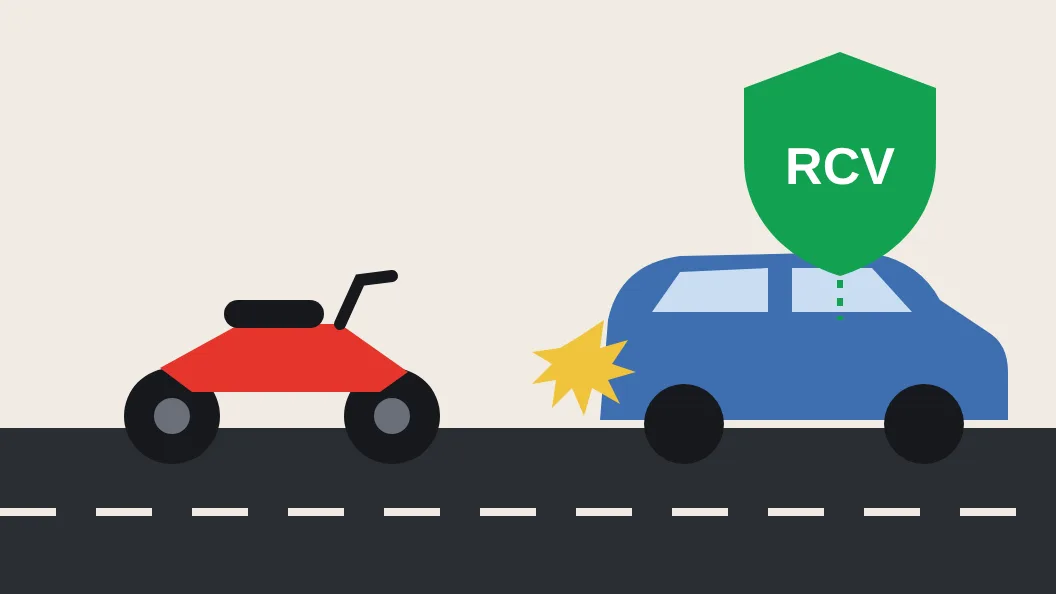
What does motorcycle RCV cover?
| Covered by basic RCV? | |
|---|---|
| Injury or death of a pedestrian or other driver you cause | Yes, up to the sum insured for persons |
| Damage to someone else’s car, motorcycle or property | Yes, up to the sum insured for property |
| Injuries to your passenger | No |
| Your own injuries as the rider | No |
| Damage to or theft of your motorcycle | No |
SUDEASEG’s rules are explicit: the policy does not cover the insured’s or driver’s liability for harm suffered by the vehicle’s occupants. In other words, it protects others, not the people on your bike.
How much does RCV cost, and how much does it pay?
SUDEASEG sets RCV premiums and sums insured in TCR: the official exchange rate of the strongest currency, published by the Central Bank of Venezuela. For motorcycles, the annual premium is 15 TCR, which the press reports as about 15 euros a year.
The sums insured for property and for persons are listed on your policy schedule. Ask your insurer to show them to you: if your motorcycle causes greater harm, you pay the difference.
How can you protect your passenger and yourself?
With add-on coverage bought separately. Some insurers sell a combined RCV that adds:
- Excess liability: pays third parties above the basic sum insured.
- Occupant accident cover: covers the rider and passenger for death, disability or medical costs.
- Legal assistance and criminal defense: supports the rider if detained after a crash with injuries.
Compare what each insurer includes before paying: names and amounts vary.
What should you do with your RCV after a crash?
- Call 911 if anyone is injured. If you are a bystander, follow our motorcycle accident first aid guide.
- Wait for the traffic authorities and ask for the official accident report.
- Notify your insurer in writing within 15 business days, with the traffic report. If people were injured or killed, the authorities’ proceedings are also required.
- Do not sign payment agreements with the other party before speaking to your insurer: it pays once there is an accepted settlement or a final court ruling.
If you report late, the insurer can later recover from you what it paid. Claims expire 12 months after the crash.
What happens if you ride without RCV?
Riding without valid insurance is an offence fined under article 170 of the Land Transport Law. But the bigger risk is not the fine: if you cause a crash without RCV, you pay for the other party’s injuries and damage out of your own pocket.
RCV lasts one year and renews automatically. Insurers may not refuse to issue or renew it.
How can you check that an RCV policy is valid?
- Buy RCV only from an insurance company authorized by SUDEASEG. You can look up its name in the regulated entities registry at sudeaseg.gob.ve.
- For questions about a policy or a claim, call SUDEASEG’s Policyholder Ombudsman: 0800-7832734.
- Be wary of agents selling “RCV” without naming the insurer that issues it.
Does RCV tell a paramedic who you are?
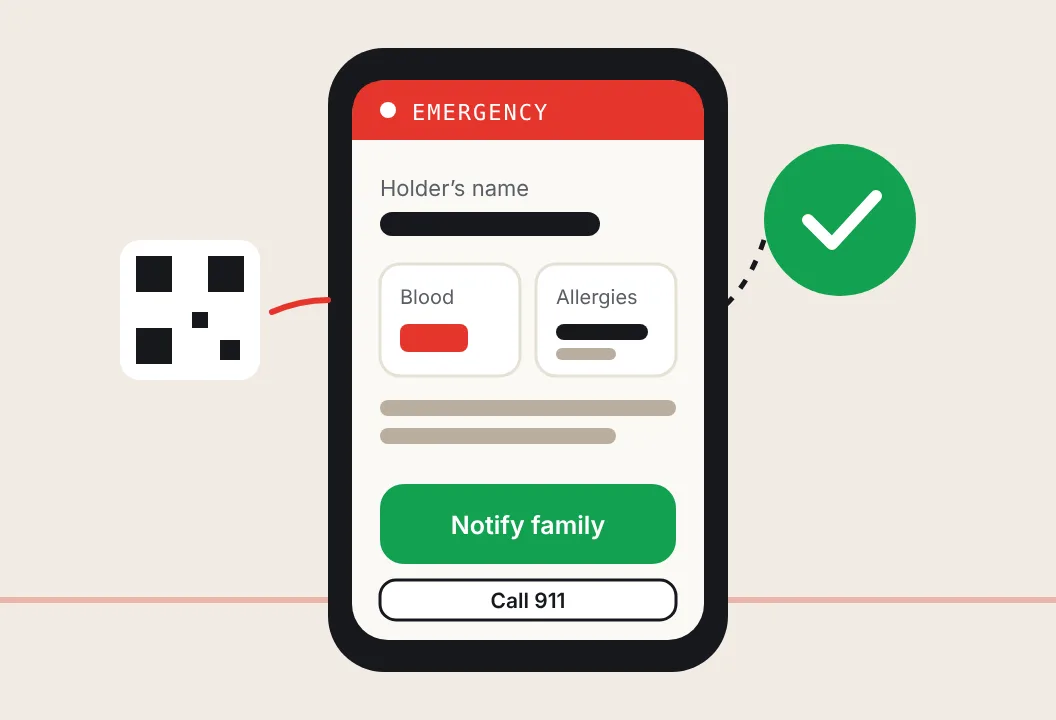
No. RCV pays for harm to third parties, but it does not carry your blood type, allergies or your family’s number. If you are the one hurt, that is what an emergency QR code on your helmet does: whoever helps sees your profile and alerts your contacts with one tap. And since basic RCV does not cover your passenger, they should carry their own profile too.
Frequently asked questions
Is RCV mandatory for motorcycles in Venezuela?
Yes. The traffic authority INTT defines it as mandatory insurance covering harm to third parties caused by a vehicle or motorcycle, and SUDEASEG confirmed in December 2024 that motorcycles must carry it with an authorized insurer. The current terms and rates are in Ruling SAA-01-0512-2024, published in September 2024. Foreign riders on Venezuelan roads should check their cover before riding.
Does RCV cover my passenger?
No. Basic RCV only covers third parties: pedestrians, other drivers and their property. SUDEASEG’s rules expressly exclude harm suffered by the occupants of the insured vehicle, which includes your passenger. To protect them you need occupant accident cover, which some insurers bundle into a combined RCV policy for an extra premium.
How long do I have to report a crash to the insurer?
Fifteen business days, in writing and with the traffic report, under RCV’s general terms. If anyone was injured or killed, the authorities’ proceedings are also required. If you report late, the insurer can later recover from you what it paid the third party. Claims under the policy expire twelve months after the crash.
Sources
- SUDEASEG, Ruling SAA-01-0512-2024: RCV general terms and rates, Official Gazette 6.835, 3 September 2024, in Spanish.
- INTT, What is the RCV policy?, June 2024, in Spanish.
- Notiseguros, SUDEASEG confirms motorcycles need RCV, December 2024, in Spanish.
- Efecto Cocuyo, New RCV rules and rates, April 2025, in Spanish.
- Seguros Caracas, Combined motorcycle RCV (example of add-on cover), in Spanish.
- Land Transport Law, article 170, in Spanish.
Information checked on 14 October 2026. This is not legal advice: for a specific case, contact your insurer or SUDEASEG.